Top 10 Skills Required to Become a Professional Dietitian
Home / Nutrition & Dietetics / Top 10 Skills Required to Become a Professional Dietitian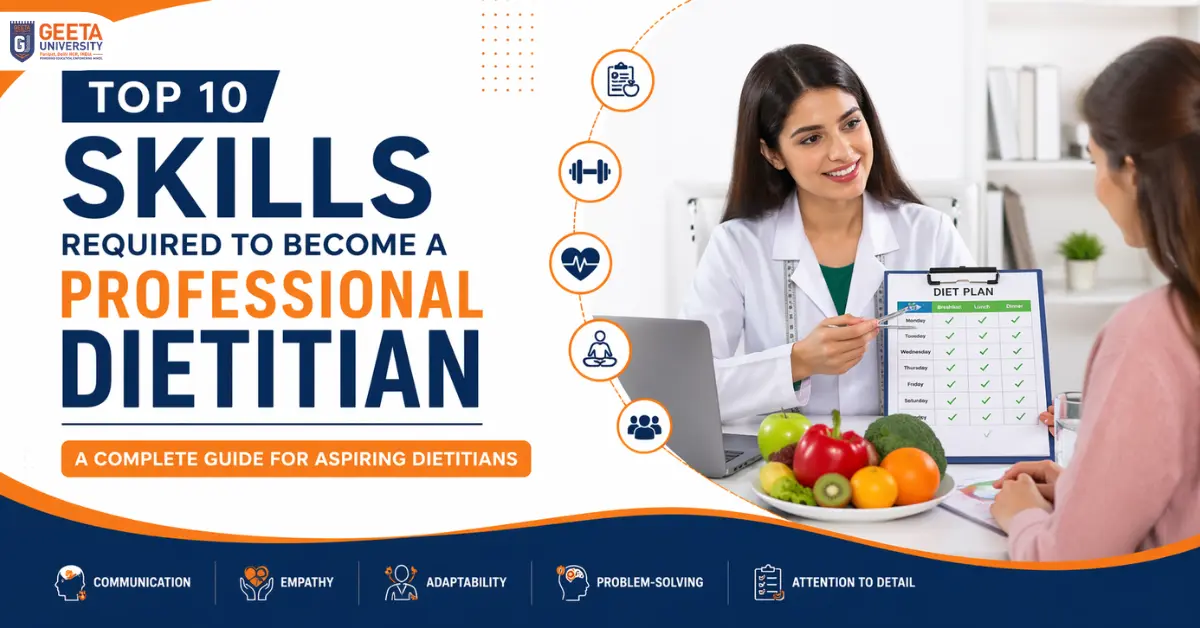
With the rise in lifestyle diseases and growing awareness of healthy eating, the demand for professional dietitians in India is increasing rapidly. To succeed in this field, a strong combination of scientific knowledge and practical skills is essential.
Dietitians are qualified and regulated health professionals who assess, diagnose, and treat nutritional issues for individuals and the wider community. They use the latest scientific research on food, health, and disease to provide practical advice that helps people adopt healthier eating habits and improve their overall well-being.
Students exploring career options after 12th can consider dietetics as a promising and rewarding field in healthcare.
Who is a Registered Dietitian?
A registered dietitian is a qualified health professional who specializes in nutrition and diet planning. They have been formally accredited or licensed to practice by a recognized authority. They use their knowledge of food and nutrition to improve people’s health. They can teach people how to eat healthy and make meal plans for people based on what they need.
How a Dietitian Can Improve Your Health?
A dietitian helps you create a personalized eating plan based on your body, your lifestyle, and your health goals, rather than giving general advice. They help you control health problems like diabetes and obesity through proper nutrition.
Here’s how a dietitian can help you:
- Personalized Nutrition Plan
- Weight Management
- Managing Health Conditions
- Improving Eating Habits
- Boosting Energy and Lifestyle
- Guidance for Special Needs
- Preventing Future Health Problems
- Ongoing Support and Motivation
These services highlight important dietitian job skills and the real impact of professional nutrition guidance.
How Many Types of Dietitians?
Depending on where they work and who they support, dietitians might focus on various topics. Here are the main types:
Clinical Dietitians
They work in hospitals and clinics to assist patients with diabetes, kidney illness, and heart disease manage their conditions through proper diet plans.
Community Dietitians
These dietitians focus on public health. They work with organizations and communities to promote healthy eating and prevent nutrition-related diseases.
Sports Dietitians
They help athletes and those who want to work out do better by planning diets that provide them more energy, strength, and recuperation.
Pediatric Dietitians
One of the nutritionist skills and qualities is that they specialize in children’s nutrition, which means they make sure kids grow and develop while managing issues like malnutrition or food allergies.
Consultant Dietitians
These experts work independently or with organizations to provide specialized nutrition recommendations to clients, businesses, or healthcare facilities.
Food Service Dietitians
They make sure that the food is safe, healthy, and meets the proper nutrition standards in locations like hospitals, schools, and cafeterias.
Research Dietitians
They work in research institutions, where they study how food and nutrition affect health and help make new discoveries in the field.
Corporate/Wellness Dietitians
They help businesses to improve the health of their employees by setting up nutrition workshops, diet plans, and organizing wellness programs.
People Also Read:
What Skills are Required to Become a Dietitian?
To be a good dietician, you need to have a strong mix of clinical knowledge, interpersonal skills, and hands-on experience. Here are the most important dietitian skills that every aspiring dietitian should develop:
Communication
Dietitians often work with many healthcare providers, including GPs, specialists, and nurses. Collaborating on research, messaging, or individual care is an important element of every dietitian’s job. A dietitian needs to be able to explain scientific information to a patient in easy language and ensure the patient understands what you are saying.
Empathy
As a qualified dietitian or nutritionist, you’ll help individuals from many different origins and in many different places.It is crucial to be empathetic, understand their challenges, and help them improve their habits and lifestyle. Dietitians deal with people, so empathy can help you to develop a good rapport with people.
Adaptability
Every client is different, and situations can change quickly. A professional dietician has to be able to change diet plans based on the client’s progress, preferences, or their health conditions. This expertise is very important for long-term success in this area.
Problem-Solving Skills
Dietitians often work with complex cases such as obesity, diabetes, food allergies, and eating disorders. Problem-solving skills enable them to develop practical and long-lasting diet solutions that suit the client’s needs and preferences.
Attention to Detail
Small details can make a big difference in nutrition planning. A dietician has to pay special attention to things like calorie intake, portion sizes, allergies, and medical history. This makes sure that the diet plan is safe, balanced, and works.
Clinical Assessment
A very important component of their job is to do thorough evaluations of patients. As a clinical dietitian, you should be able to look at your patient’s medical records effectively. Also, their nutritional condition, dietary habits, lifestyle, and other things. To be good at this talent, you need to know a lot about what clinical indicators understand.
Time Management
Time management skills are essential while dealing with a large number of customers, creating dietary charts, and monitoring follow-ups. In order to provide each client the individual attention and sound advice they need, a professional dietician needs a well-organized schedule.
Meal Planning
Another important skills required to become a dietitian is making meal plans for patients that are nutritionally balanced. It necessitates reconciling personal eating choices and cultural factors with medical and nutritional objectives.
Regulatory Compliance
To be a successful dietitian, you need to know a lot about the laws, rules, standards, and qualities of a good dietitian that apply to your field. This ability makes sure that you respect the rules and laws when you talk to patients about their health, give them food advice, or suggest supplements.
Professionalism and Ethical Practice
In addition to their nutrition and dietetics Course, dieticians must follow a strict code of conduct and professionalism. This involves keeping the client’s information private, remaining within the boundaries of the business, and always working on improving your skills.
Know the Best University for Nutrition & Dietetics Course in Delhi NCR
Choosing the right university is crucial if you want to learn how to become a dietitian in India successfully. Geeta University is one of the top places in Delhi NCR to study Nutrition and Dietetics.
Why Choose Geeta University?
Geeta University helps students establish a successful career in nutrition and dietetics by giving them a good education with modern infrastructure, hands-on training, and excellent job placement assistance.
- Industry-focused curriculum
- Experienced faculty
- Modern labs and facilities
- Practical training and internships
- Strong placement support
Placement Support at Geeta University
- More than 550 companies visit campus
- More than 3,500 job offers
- Average salary ₹6–8 LPA
- Training, internships, and career guidance
Conclusion
Dietitian skills are important for enhancing the health of individuals and the public by guiding people to eat better and healthier lifestyles. Their job demands a precise blend of knowledge, abilities, and compassion, from knowing the science of food to using it in practical, tailored ways.
Frequently Asked Questions
Yes, dietetics is a great field to work in and expand in as more people become mindful of their health.
Yes, they aid people with diabetes, obesity, heart disease, and food allergies by helping them organize their diets.
You require a degree in nutrition or dietetics and a valid certification or registration from a recognized body.
No, they work in a lot of different places, such as clinics, sports facilities, corporate wellness initiatives, and their own private practice.
Yes, dietitians make individualized meal programs that help you lose weight safely and keep it off depending on your body type and way of living.
Related Blogs
Top Allied Health Science Courses in India After 12th | Study at Geeta University
Choosing allied health science courses after 12th offers an immediate entry into the field of…

Holistic Healing of Arthritis through Homeopathy
By Dr. Pooja Yadav, Assistant Professor, SHAS (Nutrition & Dietetics) The word “arthritis” refers to…
Top B.Sc Nutrition and Dietetics Colleges in Delhi NCR: Eligibility, Fees & Admission
There are 40+ recognized colleges offering B.Sc in Delhi NCR. Some of the top BSc…
Why Choose Nutrition and Dietetics as a Career in 2026?
Nutrition and dietetics have become the most important and fastest-developing fields in healthcare as the…
B.Sc. Nutrition vs. B.Sc. Nursing: Which is Better?
Selecting the best healthcare program following 12th grade can be a challenge, particularly when trying…
Top 12 Life-Changing Benefits of B.Sc. (Hons) in Dietetics & Nutrition
The B.Sc. in Dietetics and Nutrition provides an individual with good knowledge in nutrition science,…
Leave a comment