
Supply Chain Management—The Backbone of Modern Business
Home / MBA / Supply Chain Management—The Backbone of Modern Business
Supply chain executive management plays a critical role in modern business by coordinating logistics, analytics, manufacturing, and IT systems. MBA programs that concentrate on manufacturing and distribution prepare graduates to operate complex postal networks and private supply campaigns across specific sectors.
Introduction
Supply chain executive management represents the operational infrastructure that connects production, order processing, logistics, and customer fulfillment into a single performance system. In a globalized economy shaped by digital trade, regulatory complexity, and volatile demand, supply chain efficiency determines how effectively organizations compete. Business education aligned with the top 10 MBA colleges in Delhi treats this discipline as a strategic management function rather than a back-office activity.
Digital Transformation In Supply Chains
Automation has significantly changed how supply chains are designed and maintained. Mobile platforms, automation tools, and standardized office systems now govern staff decision-making.
Key developments shaping modern supply chains include:
- Real-time product tracking through cloud-based ERP systems
- Blockchain-enabled product traceability and compliance control
- Automated warehousing and robotic material handling
- Integrated vendor and distributor platforms
These systems allow organizations to react to accidents faster and maintain service continuity across global markets.
Role of Analytics, AI, and Logistics Technology
Data-driven decision-making now defines company leadership. Behavioral analytics and artificial intelligence allow organizations to avoid incidents rather than react to them as they arise.
Advanced supply chain technologies support:
- Demand forecasting and sales trend modelling
- Route optimization and transport cost reduction
- Inventory turnover and stock risk analysis
- Supplier performance evaluation
Digital supply networks, therefore, operate as intelligence systems, not just physical distribution channels.
Corporate Demand for Supply Chain Professionals
Private companies that cover logistics, retail, energy, and technological services usually depend on certified operations specialists. Supply chain performance directly determines profit discounts, delivery reliability, and regulatory compliance.
Corporate hiring demand is driven by:
- Global sourcing and international affiliate networks
- The growing influence of e-commerce and mobile retail
- In accordance with environmental and ESG policies.
- Risk management and event planning
This demand has positioned supply chain management as one of the most stable and high-growth MBA career pathways.
MBA Specialisation in Supply Chain and Operations
Business schools have strengthened their operations and logistics specializations to reflect this corporate reality. An MBA in supply chain management combines analytical rigor with applied industry learning.
Core academic areas typically include:
- Logistics and distribution strategy
- Procurement and supplier management
- Operations research and process optimisation
- Enterprise systems and digital platforms
- Risk, compliance, and quality control
Graduates, therefore, develop both strategic and execution-level capability.
How the Top Mba Colleges in Delhi Support Supply Chain Education
The top MBA colleges in Delhi maintain structured ecosystems that align management education with industrial operations. Their academic frameworks are built around globally accepted logistics and operations standards.
These institutions provide:
- Curriculum mapped to international supply chain certifications
- Business-related projects in procurement, logistics, and operations
- Enterprise software and analytics training
- Corporate mentoring and internship pipelines
Such alignment ensures that academic learning translates directly into operational competence.
Skills required for supply chain management.
High-performance supply chain executives operate at the center of data, strategy, and management.
Essential leadership competencies include
- Quantitative analysis and forecasting
- Process optimisation and lean management
- Regulatory and trade compliance
- Supplier management and contract leadership.
- Cross-cultural collaboration.
These credentials allow professionals to regulate variances and implement cost reductions among large groups.
Career Paths in Supply Chain Management
Graduates with supply chain specialization enter roles that influence both operations and strategy.
Common career tracks include:
- Supply chain analyst
- Procurement manager
- Logistics and distribution planner
- Operations manager
- Consulting and advisory roles
Senior leadership positions include global supply chain director and chief marketing officer, both of which affect long-term corporate growth.
Why Choose Geeta University?
- UGC-certified academic fellowships across management, engineering, law, sciences, pharmacy, and agriculture
- Industry-aligned lesson plans designed using outcome-based education frameworks
- Strong focus on practical learning through live projects, summer internships, and applied training
- Modern campus services, including advanced labs and digital learning systems
- Dedicated placement and career development cell supporting corporate readiness
- Exposure to the Delhi NCR corporate ecosystem due to the strategic location in Panipat
- A skill-centered teaching approach that includes technical, analytical, and professional competencies
- Interdisciplinary learning environment supporting holistic academic and career development
These factors position Geeta University as a structured and career-focused institution within India’s higher education landscape.
FAQ
Related Blogs

Which Field is Best in MBA – Specialisations to Choose
Which field is best in MBA is a question that defines long-term academic and professional…

Best Career Options After MBA in Pharmaceutical Management
An MBA in pharmaceutical management enables the graduate to possess business and industry-specific knowledge that…
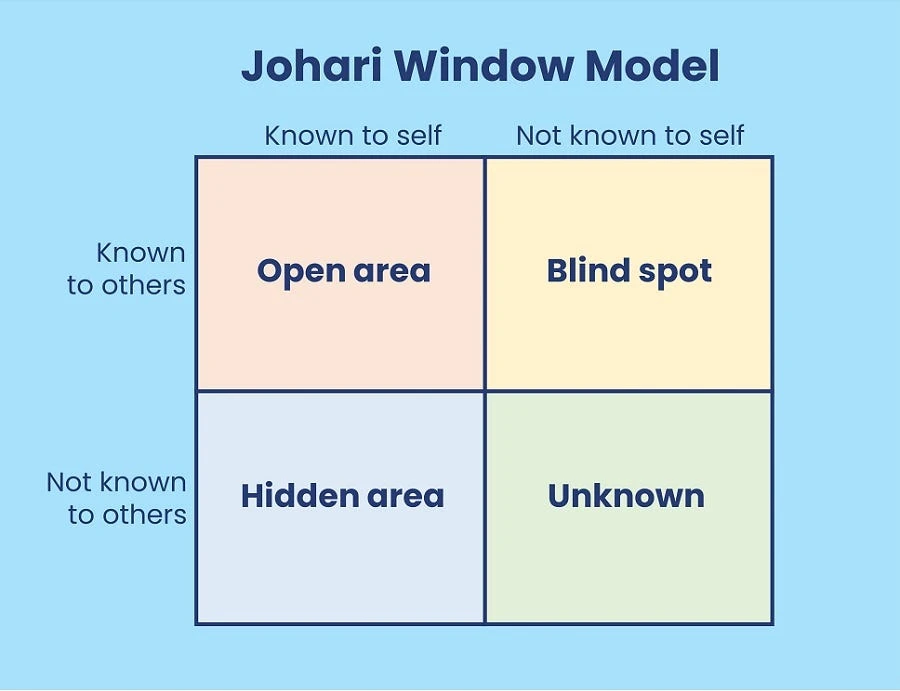
Johari Window
Introduction: Understanding the Johari Window is akin to holding a mirror to one’s psyche, revealing…

MBA vs M. Tech? Deciding After Engineering Which Course is Best
The choice between “MBA vs M. Tech” is always based on your interests, job objectives,…

Benefits Of Choosing MBA In Pharmaceutical Management
An MBA degree in Pharmaceutical Management is a specialised graduate degree that combines basic business…

What is an MBA in Pharmaceutical Management—Career Scope in Healthcare
Introduction An MBA in Pharmaceutical Management is often chosen by students who want more than…