Top 12 Life-Changing Benefits of B.Sc. (Hons) in Dietetics & Nutrition
Home / Nutrition & Dietetics / Top 12 Life-Changing Benefits of B.Sc. (Hons) in Dietetics & Nutrition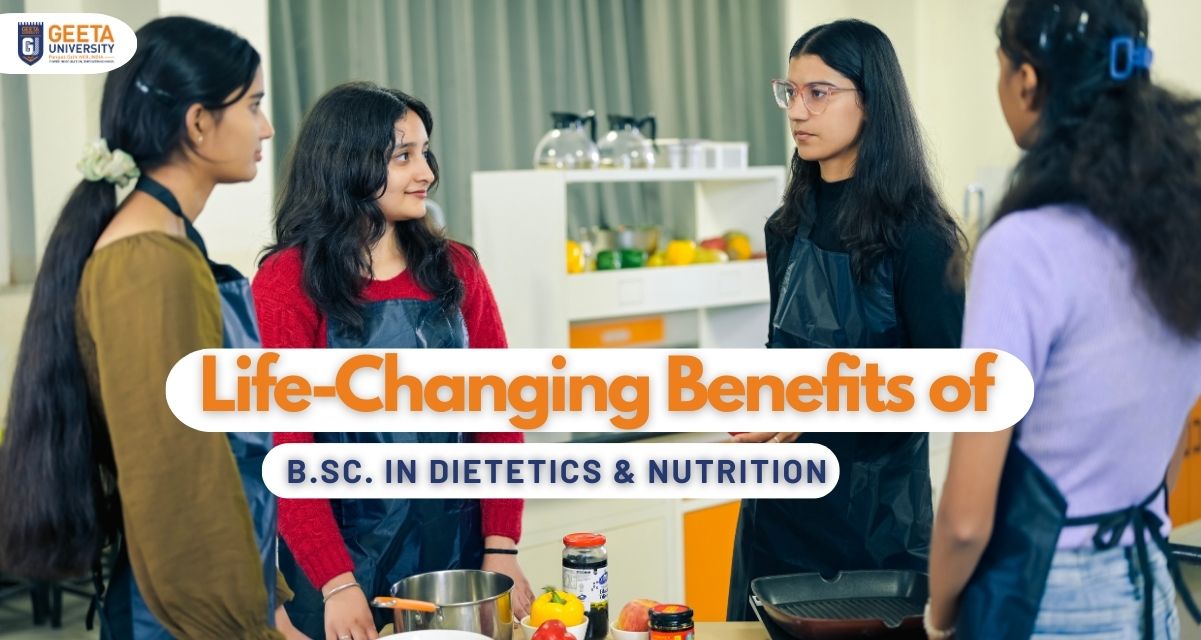
The B.Sc. in Dietetics and Nutrition provides an individual with good knowledge in nutrition science, clinical dietetics, and public health. The course prepares students for healthcare, wellness, the food industry, and research. The greatest benefits of a B.Sc. in dietetics and nutrition include extensive employment opportunities, growing industry demand, long-term job security, and strong salary growth. The choice of a good institution ensures quality education, exposure to real life, and greater career achievement.
What is a B.Sc. (Hons) in Dietetics and Nutrition?
It is a program based on a mixture of biology and applied nutrition and educates specialists in the sphere who may help them estimate the nutritional needs, plan therapeutic nutrition, and optimize personal and community health.
- Degree in nutrition, science, and physiology of the human body.
- Clinical, public, and applied nutrition inclusion.
The course encourages students to explore integrative healthcare approaches where nutrition works alongside other allied sciences to manage chronic conditions and improve patient outcomes
Advantages of a B.Sc. (Hons) in Dietetics and Nutrition.
Good knowledge in nutrition science and clinical practice develops upon a B.Sc. (Hons) in Dietetics and Nutrition. The primary benefits of a B.Sc. (Hons.) degree in dietetics and nutrition are abundant employment prospects in the medical field, wellness, research, and the food industry. The benefits of the graduates are high demand, career development of the career, great possibilities of earning, global career prospects, working as an entrepreneur, and a high level of education.
- Excellent Scientific Underpinning
A B.Sc. (Hons.) in dietetics and nutrition increases the profound knowledge of human physiology, metabolism of nutrients, and therapeutic nutrition. It is evidence-based diet planning and practice that is based on this knowledge.
- Increased Needs in the Healthcare.
Due to the trend of lifestyle disorders and chronic diseases, nutritionists are gradually entering the medical team. The first benefit of the BSc in dietetics and nutrition is that there is an ever-growing demand for qualified graduates in hospitals, clinics, and wellness centers.
- Wide Career Opportunities
This sphere is not limited to the clinical settings. The graduates will be able to work in the field of public health, corporate wellness, research, sports nutrition, food industries, and education, which will provide them with a long-term, flexible career.
- Practical and Apprenticeship Learning.
The course will include the theory with practical experience in diet planning, laboratory work, and internships. Through this practical exposure, students learn to evaluate modern dietary trends like Intermittent Fasting using scientific evidence and clinical research. This practical method builds trust and equips the students with practical duties.
- Professional Development and Earnings.
Professional growth can be stable due to experience, specialization as well as certifications. With time, nutrition professionals will be able to join high-level clinical jobs, consultancy, or management positions.
- Contribution to Community and Public Health.
Graduates are usually utilized in community nutrition programs that fight malnutrition, maternal health, and the prevention of lifestyle diseases. These functions highlight the benefits of a dietetics and nutrition degree since practitioners provide value to society.
- Global Career Scope
Due to the increased information on healthy living in the world today, jobs as a trained nutritionist are increasing across the globe. B.Sc. degree in dietetics and nutrition would become essential in the process of obtaining international qualifications and international employment.
- Entrepreneurship Opportunities
A lot of specialists prefer working alone, such as individual dietary consultation or nutrition services on the internet. The degree offers the body of knowledge required to establish a win-win and adaptive career.
- Foundation for Higher Studies
It is also possible that a dietetics and nutrition degree is a stepping stone to a postgraduate degree in areas of specialization, including clinical nutrition, public health, or healthcare management.
Degrees such as M.Sc in nutrition and dietetics & PhD in nutrition and dietetics
Furthermore, graduates interested in the business side of healthcare can opt for an MBA in Pharmaceutical Management to secure high-level leadership roles in the global health industry
- Proficiency-based Training and Certification.
The B.Sc. in dietetics and nutrition is concerned with applied skills in diet planning, patient counseling, nutritional assessment, and simple research methods. Professional competence and employability in the healthcare and wellness field are further developed with the help of workshops and other certifications.
- Long-Term Career Stability
The fields of healthcare and wellness experience steady demand during both booms and recessions. Professionals in nutrition are still needed in the fields of preventive and therapeutic care. This consistency supports the worth of the B.Sc. nutrition and dietetics jobs.
- Professional Recognition and Respect
Licensed nutritionists are recognized as essential members of modern healthcare teams. A degree in B.Sc in dietetics and nutrition increases professionalism and confidence. Graduates are important to enhance personal and social health outcomes.
Top B.Sc. Colleges in Nutrition and Dietetics
The choice of a school of health and allied sciences to take a B.Sc. in dietetics and nutrition is the key to career success. The educational institutions must be assessed in terms of academic quality and career results by students.
Key factors to consider:
- Accreditation and new curriculum.
- Internships and clinical exposure.
- Hostel facilities and alumni networking
Top Colleges for B.Sc. in Nutrition & Dietetics
- Geeta University, Panipat, Haryana — NAAC-accredited, offering an industry-aligned curriculum with hands-on clinical and food-lab training
- Lady Irwin College, New Delhi
- Symbiosis School for Biological Sciences, Pune
- Institute of Home Economics, New Delhi
- Mount Carmel College, Bangalore
Placement Support
The majority of renowned colleges that provide a B.Sc. in Dietetics and Nutrition have their own placement and training cells. They help students who have internships in hospitals, wellness centers, NGOs, and food companies
Placement service usually involves resume construction, interview training, skills development seminars, and business contacts. A good network within the industry also assists the students to get entry-level jobs in healthcare facilities, clinical centers, and corporate wellness centers.
How Much Salary can One Expect after B.Sc in Nutrition?
The B.Sc. nutrition and dietetics salary depends on experience, skills, and workplace.
- Entry-Level: ₹2.5 – ₹4.5 LPA (hospitals, clinics, wellness centers)
- 3–5 Years Experience: ₹5–₹8 LPA (corporate wellness, sports nutrition, consultancy)
- Private Practice: Income varies; experienced consultants can earn more than fixed salaries.
Employment After B.Sc. in Nutrition & Dietetics
After completing a degree in dietetics and nutrition, graduates have the freedom to work in many fields, such as healthcare, wellness, food companies, and education, because they have well-founded knowledge in nutrition science and applied dietetics.
Common Job Profiles Include:
- Therapeutic Diet Planning—Clinical Dietitian—Hospital-Based.
- Fitness nutrition management, fitness nutritionist—fitness.
- Food Quality Analyst: Quality control and food safety.
- Public Health Government and Non-Governmental Organization health programs, Nutritionist.
- Nutrition Educator—Teaching and awareness jobs.
- Such jobs are also described as stable development and a career.
Conclusion
A B.Sc. in dietetics and nutrition is a future-proof degree that will include both scientific knowledge and practical use of the same information. It provides professional stability in the long run due to a wide range of careers after a B.Sc. in nutrition, high demand, and high growth in salaries. Graduates may practice in the care, health, population, or business spheres. Studying at a renowned university would enhance the academic requirements, practical approach, and competence, which would render the degree a valuable investment in the healthcare sector.
Frequently Asked Questions
Yes, the vast majority of colleges have clinical or community-based internships.
M.Sc. Nutrition, Dietetics, MBA in Healthcare, and PhD are also options.
Indeed, students can work in government projects and public health programs.
Freshers typically earn ₹2.5–₹4.5 LPA, which can grow to ₹5–₹8 LPA with experience and specialization.
Yes, once equipped with extra certifications, graduates will be able to work in foreign countries in nutrition-related jobs.
Related Blogs
Top 10 Skills Required to Become a Professional Dietitian
With the rise in lifestyle diseases and growing awareness of healthy eating, the demand for…
Top B.Sc Nutrition and Dietetics Colleges in Delhi NCR: Eligibility, Fees & Admission
There are 40+ recognized colleges offering B.Sc in Delhi NCR. Some of the top BSc…

Top Allied Health Science Courses in India After 12th | Study at Geeta University
Choosing allied health science courses after 12th offers an immediate entry into the field of…
Why Choose Nutrition and Dietetics as a Career in 2026?
Nutrition and dietetics have become the most important and fastest-developing fields in healthcare as the…

Holistic Healing of Arthritis through Homeopathy
By Dr. Pooja Yadav, Assistant Professor, SHAS (Nutrition & Dietetics) The word “arthritis” refers to…
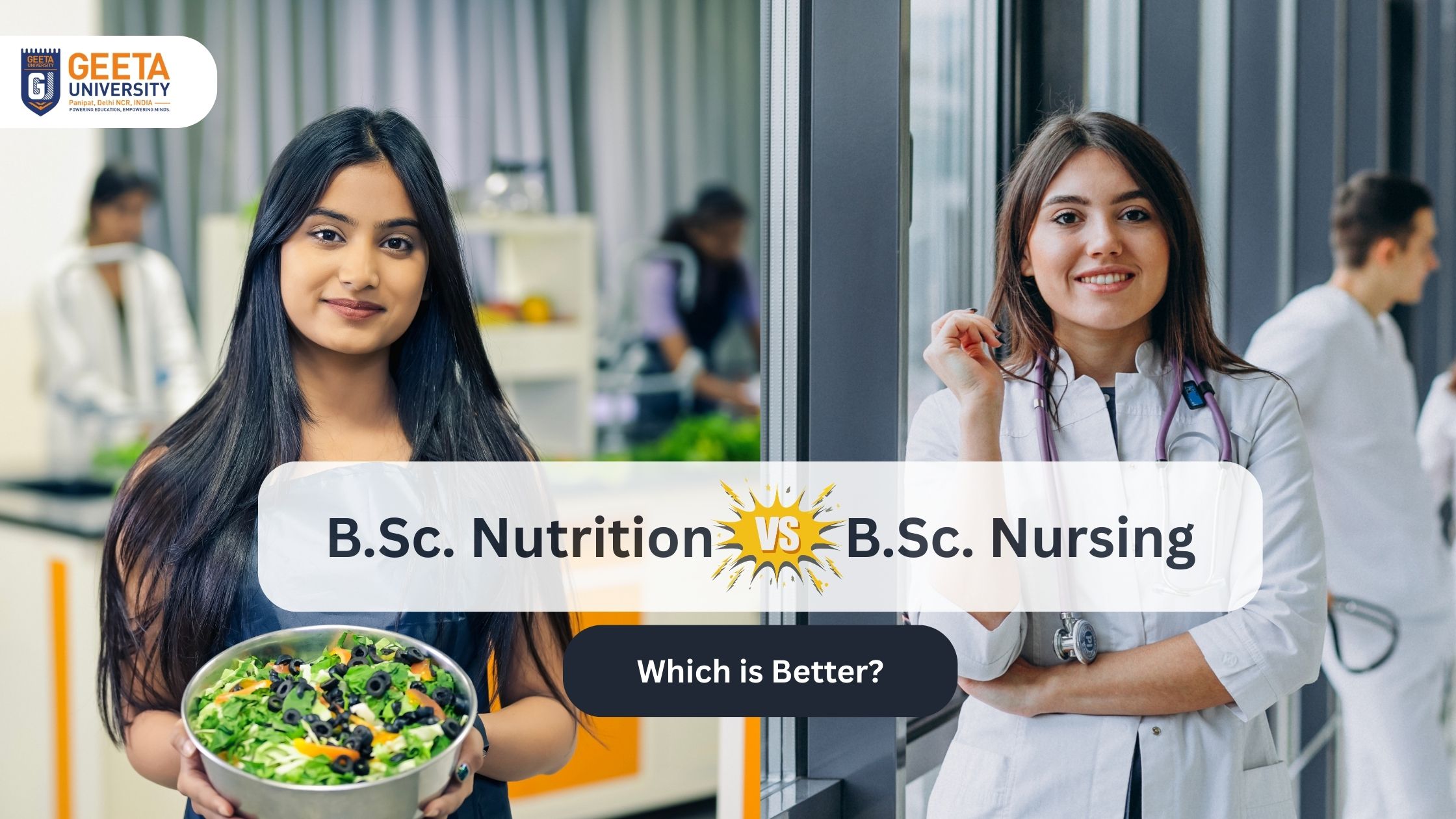
B.Sc. Nutrition vs. B.Sc. Nursing: Which is Better?
Selecting the best healthcare program following 12th grade can be a challenge, particularly when trying…