1. Overview
Geeta University’s SDG 7 Activity Report covers January 2024 to June 2026. It explicitly states that no dedicated solar, renewable-energy, energy-saving, or electricity-awareness activities were recorded in the reviewed workbook. The report lists environment and sustainability activities as proposed or related evidence, including World Environment Day programmes, plantation drives, an NSS environmental session, and the National Sustainability Conclave and Awards. A third-party mention of solar facilities is marked as unverified by the report.
Affordable and Clean Energy promotes access to reliable, sustainable and modern energy. For a university, the goal can be considered through energy access, renewable-energy use, efficient buildings, responsible electricity consumption, energy education and transparent monitoring of energy performance.
This page presents activity information drawn from
the university's available SDG documentation.
The report links below provide the underlying
records for further details.
Geeta University's Commitment
The report does not establish direct clean-energy initiatives or outcomes. Any claims about renewable-energy installations, energy efficiency, or campus energy use should be added only after confirmation through official university records.
Potential initiatives include renewable-energy installations, energy audits, efficient lighting, equipment management, building controls and energy-awareness programmes. Each entry should identify whether it is proposed, installed, operational or completed, and provide capacity or performance data only when verified.
Official SDG Activity Report
Read or download the official Geeta University
activity report associated with this goal.
▤
SDG 7 Activity Report - Affordable and Clean Energy
January 2024 - June 2026 · PDF
View / Download PDF ↗
2. Research Aligned with SDGs
Research may explore solar technologies, renewable energy systems, energy storage, smart grids, efficient appliances, building performance and energy policy. Include prototypes, publications and projects only when documented. Technical claims should identify the system, capacity, operating period and source of measurements.
01
Research Projects
Research may explore solar technologies, renewable energy systems, energy storage, smart grids, efficient appliances, building performance and energy policy. Include prototypes, publications and projects only when documented. Technical claims should identify the system, capacity, operating period and source of measurements.
02
Research Publications
Research may explore solar technologies, renewable energy systems, energy storage, smart grids, efficient appliances, building performance and energy policy. Include prototypes, publications and projects only when documented. Technical claims should identify the system, capacity, operating period and source of measurements.
3. Sustainability Literacy Survey
Survey Overview
An energy-literacy survey can examine knowledge of renewable energy, energy efficiency, electricity use, conservation behaviours and climate connections. It may assess awareness of campus energy practices without assuming that respondents know actual campus consumption. Publish validated, aggregated findings with the survey method.
Survey Results
An energy-literacy survey can examine knowledge of renewable energy, energy efficiency, electricity use, conservation behaviours and climate connections. It may assess awareness of campus energy practices without assuming that respondents know actual campus consumption. Publish validated, aggregated findings with the survey method. No numerical survey findings are supplied in the current page material, so figures or percentages should not be inferred.
4. Teaching & Non-Teaching Staff
Faculty Participation
Faculty may contribute through energy research, teaching, technical projects and awareness programmes. Facilities and administrative staff may support energy monitoring, equipment maintenance, efficient procurement and building operations. Describe only verified responsibilities and operating practices.
Staff Participation
Faculty may contribute through energy research, teaching, technical projects and awareness programmes. Facilities and administrative staff may support energy monitoring, equipment maintenance, efficient procurement and building operations. Describe only verified responsibilities and operating practices.
5. Students
Student Initiatives
Students can participate through energy audits, renewable-energy projects, innovation challenges, awareness campaigns and research on efficient technologies. Practical projects should identify the problem, design, testing method and outcome. Avoid presenting a prototype as an operational campus installation.
Community Engagement
Students can participate through energy audits, renewable-energy projects, innovation challenges, awareness campaigns and research on efficient technologies. Practical projects should identify the problem, design, testing method and outcome. Avoid presenting a prototype as an operational campus installation.
6. Courses Linked with SDGs
Undergraduate Courses
Relevant curriculum themes may appear in electrical and mechanical engineering, physics, computer science, environmental science and management. Map courses to approved syllabus topics such as renewable technologies, power systems, energy efficiency, storage and sustainable design.
Postgraduate Courses
Relevant curriculum themes may appear in electrical and mechanical engineering, physics, computer science, environmental science and management. Map courses to approved syllabus topics such as renewable technologies, power systems, energy efficiency, storage and sustainable design.
Curriculum Mapping
Relevant curriculum themes may appear in electrical and mechanical engineering, physics, computer science, environmental science and management. Map courses to approved syllabus topics such as renewable technologies, power systems, energy efficiency, storage and sustainable design.
7. University Initiatives
01
Programs & Campaigns
Potential initiatives include renewable-energy installations, energy audits, efficient lighting, equipment management, building controls and energy-awareness programmes. Each entry should identify whether it is proposed, installed, operational or completed, and provide capacity or performance data only when verified.
02
Collaborations & Partnerships
Potential initiatives include renewable-energy installations, energy audits, efficient lighting, equipment management, building controls and energy-awareness programmes. Each entry should identify whether it is proposed, installed, operational or completed, and provide capacity or performance data only when verified.
8. Activities & Events
01
Workshops & Seminars
Relevant events may include energy-conservation workshops, renewable-energy demonstrations, expert talks, student projects and observances such as energy-awareness days. Include dates and organisers, and link to reports or presentations where available.
02
Awareness Campaigns
Relevant events may include energy-conservation workshops, renewable-energy demonstrations, expert talks, student projects and observances such as energy-awareness days. Include dates and organisers, and link to reports or presentations where available.
03
Community Outreach
Relevant events may include energy-conservation workshops, renewable-energy demonstrations, expert talks, student projects and observances such as energy-awareness days. Include dates and organisers, and link to reports or presentations where available.
Photo Gallery
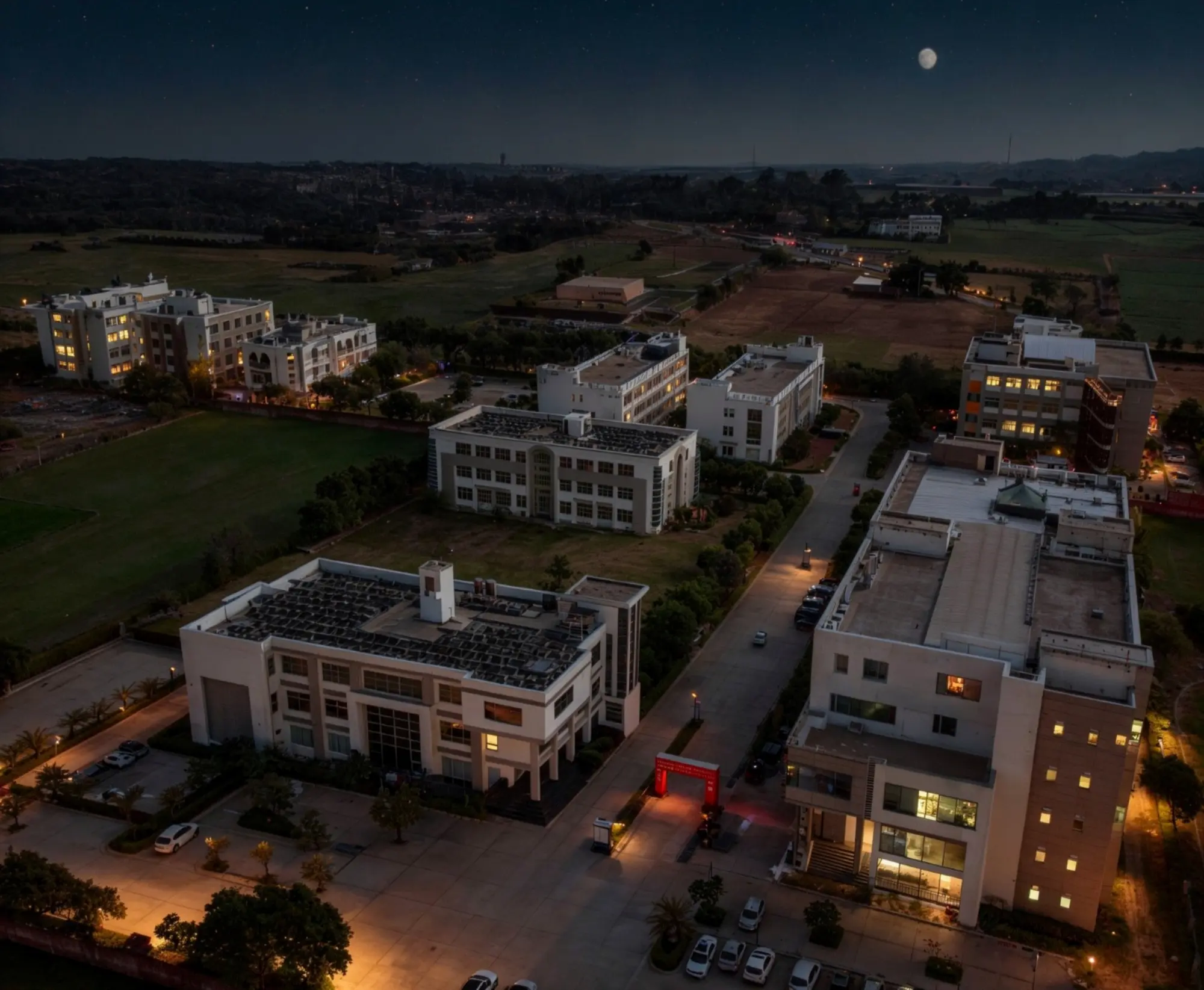
This photo gallery showcases Geeta University's campus food facilities, including cafés, mess areas and other dining spaces. These facilities provide students and members of the university community with spaces to access meals and refreshments during campus life. The photographs offer a visual overview of the university's food-service environment and its dining facilities.
Only approved photographs from documented activities should appear in this gallery. Each image should have descriptive alternative text and a concise caption so that visitors can understand what is shown. If no verified photographs are currently available for this goal, the gallery should remain unpublished or display a neutral notice until suitable images are selected.
Impact & Outcomes
Useful indicators include electricity consumption, renewable-energy generation, energy intensity, equipment efficiency and measured savings over a defined period. Provide units, baseline, monitoring boundary and source. Do not infer installed solar capacity or energy savings from third-party mentions or general sustainability activities.
Key Outcomes
Useful indicators include electricity consumption, renewable-energy generation, energy intensity, equipment efficiency and measured savings over a defined period. Provide units, baseline, monitoring boundary and source. Do not infer installed solar capacity or energy savings from third-party mentions or general sustainability activities.
Supporting Evidence
Supporting evidence may include official activity reports, approved policy documents, event notices, attendance records, research outputs, photographs, agreements and assessment summaries. Each item should be relevant to the claim it supports and should identify its date or reporting period. Personal or confidential information should not be published, and evidence should be reviewed before it is made publicly accessible.
Policy and Guidelines
University Policies
Relevant documentation may include energy-conservation guidelines, procurement standards, building-operation procedures, renewable-energy plans and equipment-use rules. Include current approved documents and distinguish policy commitments from measured performance.
Sustainability Guidelines
Relevant documentation may include energy-conservation guidelines, procurement standards, building-operation procedures, renewable-energy plans and equipment-use rules. Include current approved documents and distinguish policy commitments from measured performance.
Reports
The report catalogue provides the available official activity documentation for Affordable and Clean Energy. Use the report to review the activities recorded for the stated reporting period. The narrative sections on this page explain the broader SDG themes; they should not be read as confirmation that every example or possible practice is currently implemented at the university.
▤
SDG 7 Activity Report - Affordable and Clean Energy
January 2024 - June 2026 · PDF
View / Download PDF ↗
↑ Back to top