1. Overview
Geeta University’s SDG 6 Activity Report covers January 2024 to June 2026 and records one activity directly mapped to Clean Water and Sanitation: World Water Day, observed on 22 March 2024. The report also identifies a grooming and hygiene drive and a personal hygiene and menstrual-health counselling session under other SDG records; these are related activities rather than additional activities directly mapped to SDG 6 in this report.
Clean Water and Sanitation focuses on water availability, sustainable water management, sanitation and hygiene. A campus perspective can include safe drinking water, sanitation access, water-use efficiency, wastewater treatment, water-quality monitoring and awareness of responsible water practices.
This page presents activity information drawn from
the university's available SDG documentation.
The report links below provide the underlying
records for further details.
Geeta University's Commitment
The supplied report provides limited direct evidence for SDG 6. Verified information on drinking-water access, water conservation, wastewater management, sanitation facilities, or water-quality monitoring would strengthen this section.
Documented initiatives may relate to drinking-water access, sanitation facilities, rainwater harvesting, wastewater treatment, reuse, leak reduction and hygiene awareness. Describe the infrastructure or programme, its operational status and the evidence available. Do not claim water safety or savings without testing or measurement records.
Official SDG Activity Report
Read or download the official Geeta University
activity report associated with this goal.
▤
SDG 6 Activity Report - Clean Water and Sanitation
January 2024 - June 2026 · PDF
View / Download PDF ↗
2. Research Aligned with SDGs
Research may cover water quality, treatment technologies, groundwater, rainwater harvesting, wastewater reuse, sanitation, hydrology and water-efficient systems. Projects should specify the site, sampling or modelling method, period and findings. Technical claims require test results or project documentation.
01
Research Projects
Research may cover water quality, treatment technologies, groundwater, rainwater harvesting, wastewater reuse, sanitation, hydrology and water-efficient systems. Projects should specify the site, sampling or modelling method, period and findings. Technical claims require test results or project documentation.
02
Research Publications
Research may cover water quality, treatment technologies, groundwater, rainwater harvesting, wastewater reuse, sanitation, hydrology and water-efficient systems. Projects should specify the site, sampling or modelling method, period and findings. Technical claims require test results or project documentation.
3. Sustainability Literacy Survey
Survey Overview
A water and sanitation literacy survey can examine awareness of safe water, hygiene, conservation, sanitation access and wastewater impacts. It may assess everyday practices and understanding of local water challenges. Publish the survey method and aggregated results only after validation.
Survey Results
A water and sanitation literacy survey can examine awareness of safe water, hygiene, conservation, sanitation access and wastewater impacts. It may assess everyday practices and understanding of local water challenges. Publish the survey method and aggregated results only after validation. No numerical survey findings are supplied in the current page material, so figures or percentages should not be inferred.
4. Teaching & Non-Teaching Staff
Faculty Participation
Faculty may contribute through water-related teaching, laboratory research, environmental monitoring and public awareness. Operational staff may support plumbing maintenance, water supply, sanitation facilities, cleaning schedules and reporting of leaks. Describe actual systems and responsibilities supported by records.
Staff Participation
Faculty may contribute through water-related teaching, laboratory research, environmental monitoring and public awareness. Operational staff may support plumbing maintenance, water supply, sanitation facilities, cleaning schedules and reporting of leaks. Describe actual systems and responsibilities supported by records.
5. Students
Student Initiatives
Students can participate through water-conservation campaigns, hygiene education, water audits, research projects and community outreach. Projects may investigate water use or communicate practical conservation measures. Report locations, methods and outcomes only where documented.
Community Engagement
Students can participate through water-conservation campaigns, hygiene education, water audits, research projects and community outreach. Projects may investigate water use or communicate practical conservation measures. Report locations, methods and outcomes only where documented.
6. Courses Linked with SDGs
Undergraduate Courses
Relevant topics may appear in environmental science, civil engineering, agriculture, chemistry, biotechnology, public health and related programmes. Map approved course units covering water treatment, hydrology, sanitation, environmental monitoring and resource management.
Postgraduate Courses
Relevant topics may appear in environmental science, civil engineering, agriculture, chemistry, biotechnology, public health and related programmes. Map approved course units covering water treatment, hydrology, sanitation, environmental monitoring and resource management.
Curriculum Mapping
Relevant topics may appear in environmental science, civil engineering, agriculture, chemistry, biotechnology, public health and related programmes. Map approved course units covering water treatment, hydrology, sanitation, environmental monitoring and resource management.
7. University Initiatives
01
Programs & Campaigns
Documented initiatives may relate to drinking-water access, sanitation facilities, rainwater harvesting, wastewater treatment, reuse, leak reduction and hygiene awareness. Describe the infrastructure or programme, its operational status and the evidence available. Do not claim water safety or savings without testing or measurement records.
02
Collaborations & Partnerships
Documented initiatives may relate to drinking-water access, sanitation facilities, rainwater harvesting, wastewater treatment, reuse, leak reduction and hygiene awareness. Describe the infrastructure or programme, its operational status and the evidence available. Do not claim water safety or savings without testing or measurement records.
8. Activities & Events
01
Workshops & Seminars
Activities may include World Water Day observances, hygiene sessions, water audits, demonstrations, laboratory visits and community awareness programmes. Provide dates, organisers and supporting material. Distinguish awareness activity from technical intervention.
02
Awareness Campaigns
Activities may include World Water Day observances, hygiene sessions, water audits, demonstrations, laboratory visits and community awareness programmes. Provide dates, organisers and supporting material. Distinguish awareness activity from technical intervention.
03
Community Outreach
Activities may include World Water Day observances, hygiene sessions, water audits, demonstrations, laboratory visits and community awareness programmes. Provide dates, organisers and supporting material. Distinguish awareness activity from technical intervention.
Photo Gallery
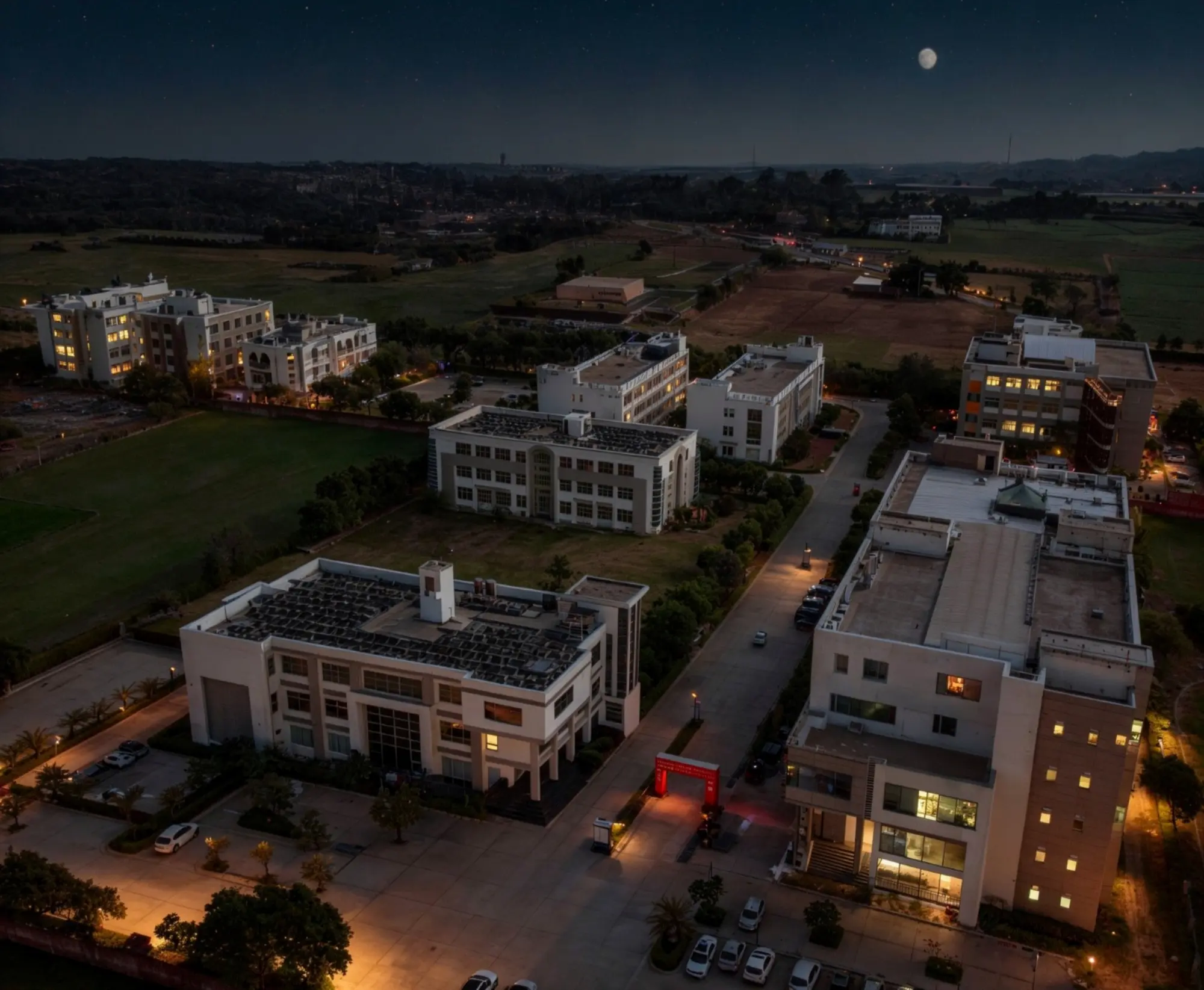
This photo gallery showcases Geeta University's campus food facilities, including cafés, mess areas and other dining spaces. These facilities provide students and members of the university community with spaces to access meals and refreshments during campus life. The photographs offer a visual overview of the university's food-service environment and its dining facilities.
Only approved photographs from documented activities should appear in this gallery. Each image should have descriptive alternative text and a concise caption so that visitors can understand what is shown. If no verified photographs are currently available for this goal, the gallery should remain unpublished or display a neutral notice until suitable images are selected.
Impact & Outcomes
Useful measures include water consumption, treated or reused wastewater volumes, water-quality test results, leak repairs, sanitation access and participation in hygiene education. State units, monitoring frequency and source. Do not infer water conservation from awareness campaigns alone.
Key Outcomes
Useful measures include water consumption, treated or reused wastewater volumes, water-quality test results, leak repairs, sanitation access and participation in hygiene education. State units, monitoring frequency and source. Do not infer water conservation from awareness campaigns alone.
Supporting Evidence
Supporting evidence may include official activity reports, approved policy documents, event notices, attendance records, research outputs, photographs, agreements and assessment summaries. Each item should be relevant to the claim it supports and should identify its date or reporting period. Personal or confidential information should not be published, and evidence should be reviewed before it is made publicly accessible.
Policy and Guidelines
University Policies
Relevant documents may include water-use procedures, sanitation and hygiene standards, wastewater management plans, laboratory safety guidance and environmental operating procedures. List only approved documents and indicate the facilities or activities they cover.
Sustainability Guidelines
Relevant documents may include water-use procedures, sanitation and hygiene standards, wastewater management plans, laboratory safety guidance and environmental operating procedures. List only approved documents and indicate the facilities or activities they cover.
Reports
The report catalogue provides the available official activity documentation for Clean Water and Sanitation. Use the report to review the activities recorded for the stated reporting period. The narrative sections on this page explain the broader SDG themes; they should not be read as confirmation that every example or possible practice is currently implemented at the university.
▤
SDG 6 Activity Report - Clean Water and Sanitation
January 2024 - June 2026 · PDF
View / Download PDF ↗
↑ Back to top