1. Overview
Explore initiatives related to food security, nutrition, and sustainable agriculture.
Zero Hunger seeks to end hunger, improve nutrition and promote sustainable agriculture. For a university, the goal can be explored through food security, access to nutritious and affordable meals, responsible food consumption, food-waste prevention, agricultural learning and engagement with food systems.
This page presents activity information drawn from
the university's available SDG documentation.
The report links below provide the underlying
records for further details.
Geeta University's Commitment
The page brings together the themes, academic connections and documented activity records relevant to Zero Hunger. University-specific claims should be supported by current reports, approved policies or other verifiable records.
University initiatives may be described under food access, campus dining, nutrition awareness, responsible procurement, food-waste measurement and agricultural outreach where records exist. Explain how a programme operates, who it serves and how it is monitored. Keep Campus Food Waste, Student Hunger and National Hunger as distinct themes, and do not treat them as verified programmes without evidence.
Official SDG Activity Report
Read or download the official Geeta University
activity report associated with this goal.
2. Research Aligned with SDGs
Research aligned with Zero Hunger may cover nutrition, food security, sustainable farming, soil health, crop resilience, food processing, supply chains, post-harvest management and food-waste reduction. Interdisciplinary work can connect agriculture, biotechnology, health, business and technology. Record the research team, objective, method, period and verifiable output.
01
Research Projects
Research aligned with Zero Hunger may cover nutrition, food security, sustainable farming, soil health, crop resilience, food processing, supply chains, post-harvest management and food-waste reduction. Interdisciplinary work can connect agriculture, biotechnology, health, business and technology. Record the research team, objective, method, period and verifiable output.
02
Research Publications
Research aligned with Zero Hunger may cover nutrition, food security, sustainable farming, soil health, crop resilience, food processing, supply chains, post-harvest management and food-waste reduction. Interdisciplinary work can connect agriculture, biotechnology, health, business and technology. Record the research team, objective, method, period and verifiable output.
3. Sustainability Literacy Survey
Survey Overview
A Zero Hunger literacy survey can examine knowledge of balanced nutrition, food security, sustainable agriculture, food labelling, food waste and responsible consumption. It may also explore awareness of student access to affordable and nutritious meals. State the participant group, survey period, questionnaire method, response count and analysis before publishing results.
Survey Results
A Zero Hunger literacy survey can examine knowledge of balanced nutrition, food security, sustainable agriculture, food labelling, food waste and responsible consumption. It may also explore awareness of student access to affordable and nutritious meals. State the participant group, survey period, questionnaire method, response count and analysis before publishing results. No numerical survey findings are supplied in the current page material, so figures or percentages should not be inferred.
4. Teaching & Non-Teaching Staff
Faculty Participation
Faculty contributions may include teaching and research in agriculture, nutrition, food science, biotechnology, health and sustainable resource management. Operational staff may contribute through food-service coordination, hygiene practices, procurement and waste-handling procedures. Document the actual role and supporting record rather than assuming participation.
Staff Participation
Faculty contributions may include teaching and research in agriculture, nutrition, food science, biotechnology, health and sustainable resource management. Operational staff may contribute through food-service coordination, hygiene practices, procurement and waste-handling procedures. Document the actual role and supporting record rather than assuming participation.
5. Students
Student Initiatives
Students can explore food security through nutrition awareness, agricultural projects, food-waste audits, community engagement, innovation challenges and volunteering. Student projects may investigate meal affordability, food preservation, sustainable growing methods or responsible consumption. Identify the project, team, activity and evidence of completion.
Community Engagement
Students can explore food security through nutrition awareness, agricultural projects, food-waste audits, community engagement, innovation challenges and volunteering. Student projects may investigate meal affordability, food preservation, sustainable growing methods or responsible consumption. Identify the project, team, activity and evidence of completion.
6. Courses Linked with SDGs
Undergraduate Courses
Relevant curriculum links may include agriculture, horticulture, food technology, nutrition, biotechnology, microbiology, environmental science and business supply-chain subjects. Map each course to specific syllabus topics such as crop production, nutrition, food safety, sustainable agriculture or food systems. Use approved curriculum documents as evidence.
Postgraduate Courses
Relevant curriculum links may include agriculture, horticulture, food technology, nutrition, biotechnology, microbiology, environmental science and business supply-chain subjects. Map each course to specific syllabus topics such as crop production, nutrition, food safety, sustainable agriculture or food systems. Use approved curriculum documents as evidence.
Curriculum Mapping
Relevant curriculum links may include agriculture, horticulture, food technology, nutrition, biotechnology, microbiology, environmental science and business supply-chain subjects. Map each course to specific syllabus topics such as crop production, nutrition, food safety, sustainable agriculture or food systems. Use approved curriculum documents as evidence.
7. University Initiatives
01
Programs & Campaigns
University initiatives may be described under food access, campus dining, nutrition awareness, responsible procurement, food-waste measurement and agricultural outreach where records exist. Explain how a programme operates, who it serves and how it is monitored. Keep Campus Food Waste, Student Hunger and National Hunger as distinct themes, and do not treat them as verified programmes without evidence.
02
Collaborations & Partnerships
University initiatives may be described under food access, campus dining, nutrition awareness, responsible procurement, food-waste measurement and agricultural outreach where records exist. Explain how a programme operates, who it serves and how it is monitored. Keep Campus Food Waste, Student Hunger and National Hunger as distinct themes, and do not treat them as verified programmes without evidence.
8. Activities & Events
01
Workshops & Seminars
Relevant activities may include nutrition sessions, food-safety workshops, agricultural demonstrations, farmer interactions, food-waste awareness, kitchen-garden learning and community food-support activities. Event descriptions should state the date, organiser, audience and documented activity. Any quantity of food collected, served or diverted from waste requires a reliable record.
02
Awareness Campaigns
Relevant activities may include nutrition sessions, food-safety workshops, agricultural demonstrations, farmer interactions, food-waste awareness, kitchen-garden learning and community food-support activities. Event descriptions should state the date, organiser, audience and documented activity. Any quantity of food collected, served or diverted from waste requires a reliable record.
03
Community Outreach
Relevant activities may include nutrition sessions, food-safety workshops, agricultural demonstrations, farmer interactions, food-waste awareness, kitchen-garden learning and community food-support activities. Event descriptions should state the date, organiser, audience and documented activity. Any quantity of food collected, served or diverted from waste requires a reliable record.
9. Campus Food Waste
Responsible food consumption and effective food waste management are important components of a sustainable campus environment. This section focuses on understanding food waste generated through university food services and dining facilities.
Food Waste Monitoring and Management
Explore food waste measurement, campus dining practices, food resource management and opportunities to promote responsible consumption.
10. Student Hunger
Access to sufficient, nutritious and affordable food is essential for student well-being and academic success.
Food Security and Student Well-Being
Explore student food security, hunger prevention, sustainable food choices and access to healthy meals.
11. National Hunger
Addressing national hunger requires collaboration between universities, farmers, food producers and communities. Knowledge sharing, sustainable agriculture and local food systems contribute to food security.
Supporting Sustainable Agriculture and Food Security
Explore agricultural knowledge sharing, farmer engagement, access to university resources and sustainable procurement practices.
Photo Gallery
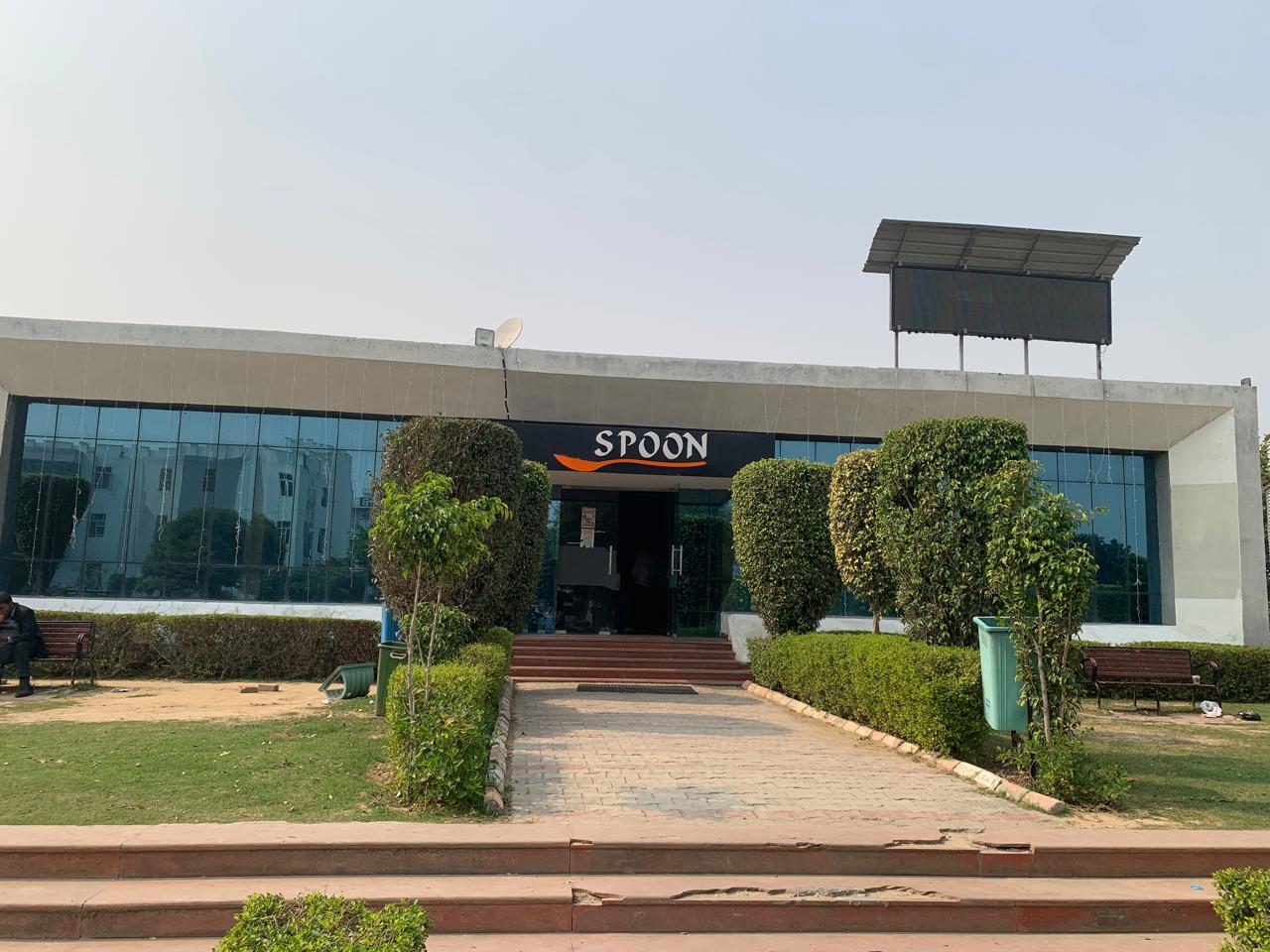
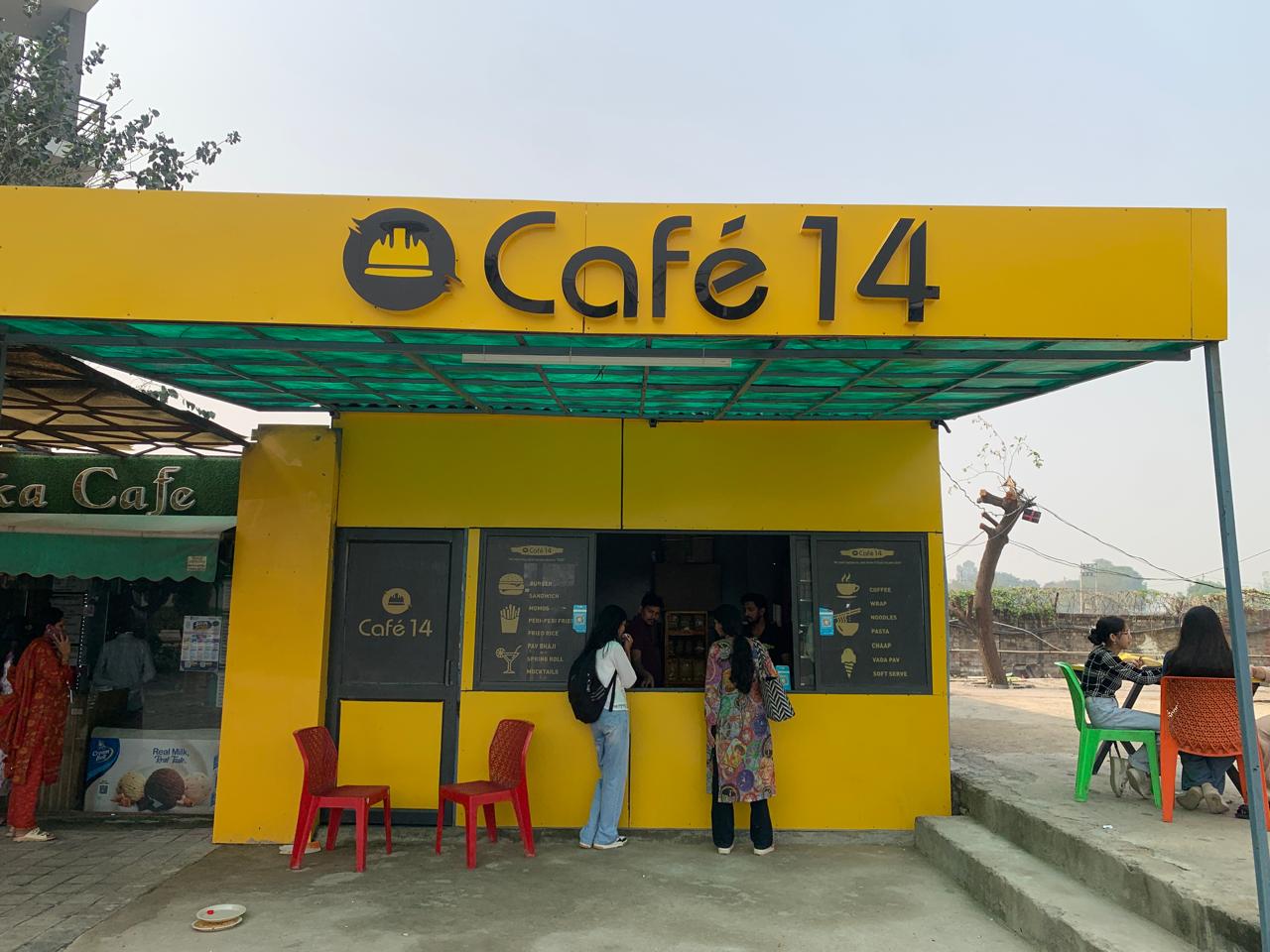
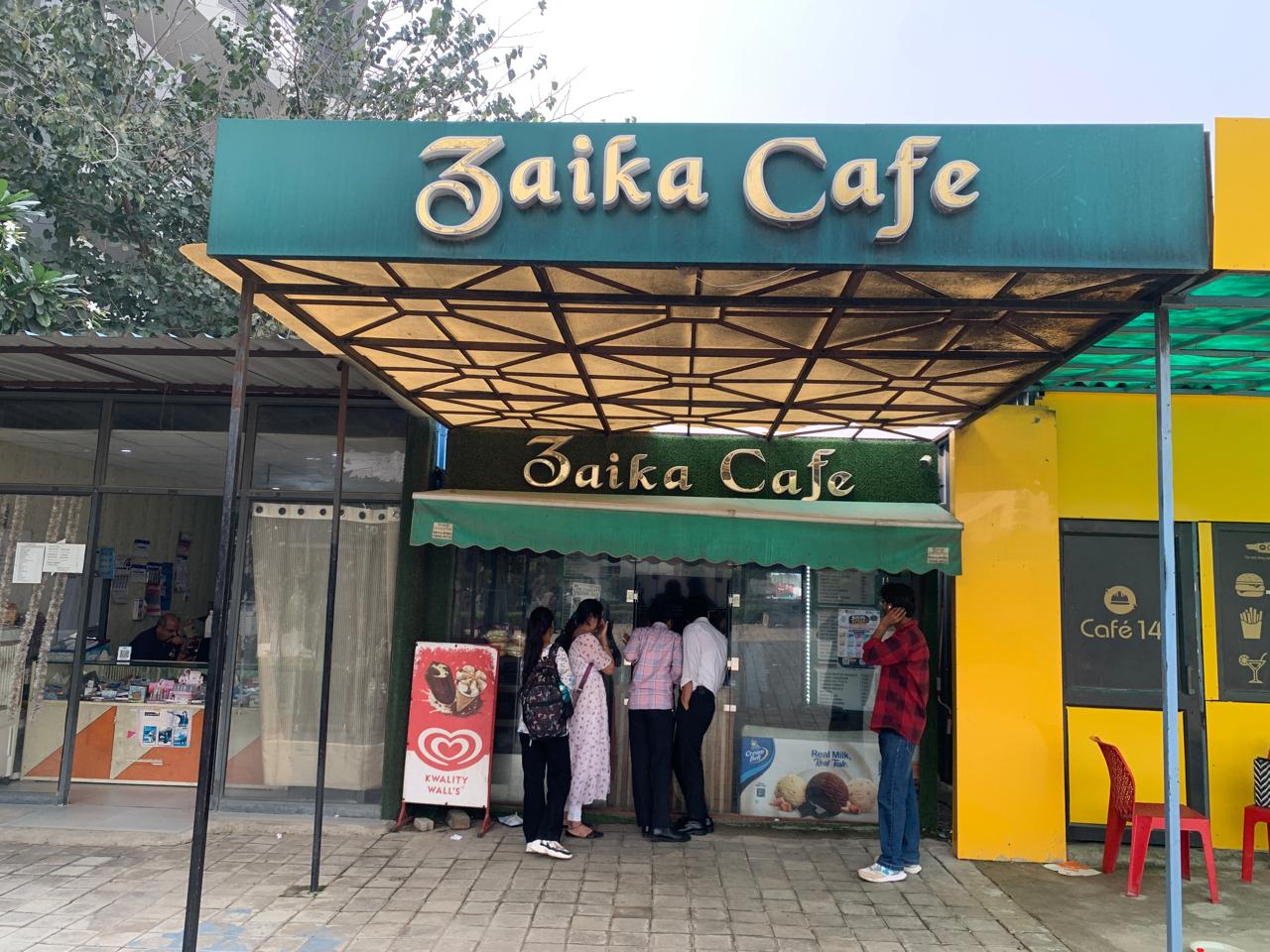
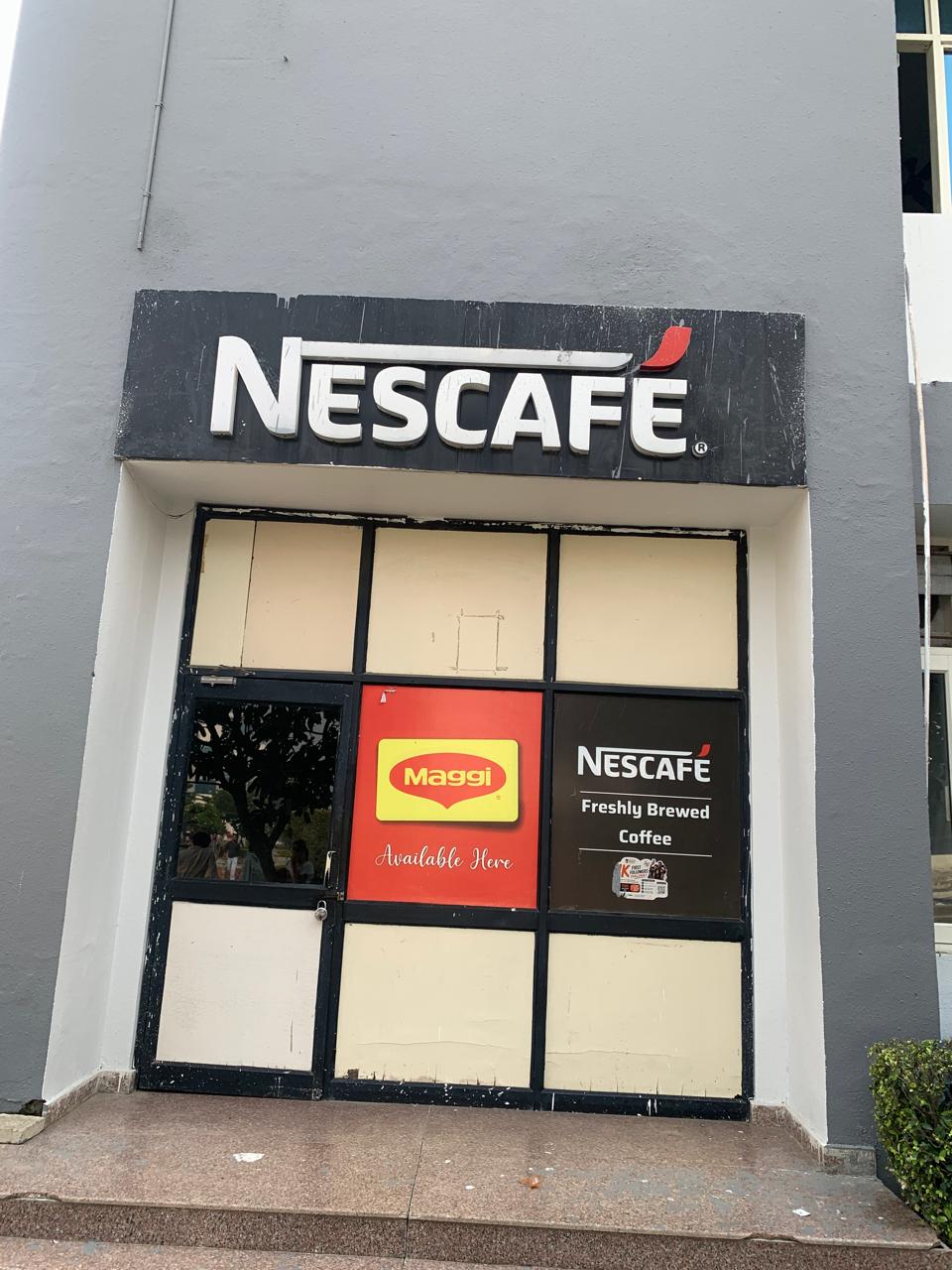
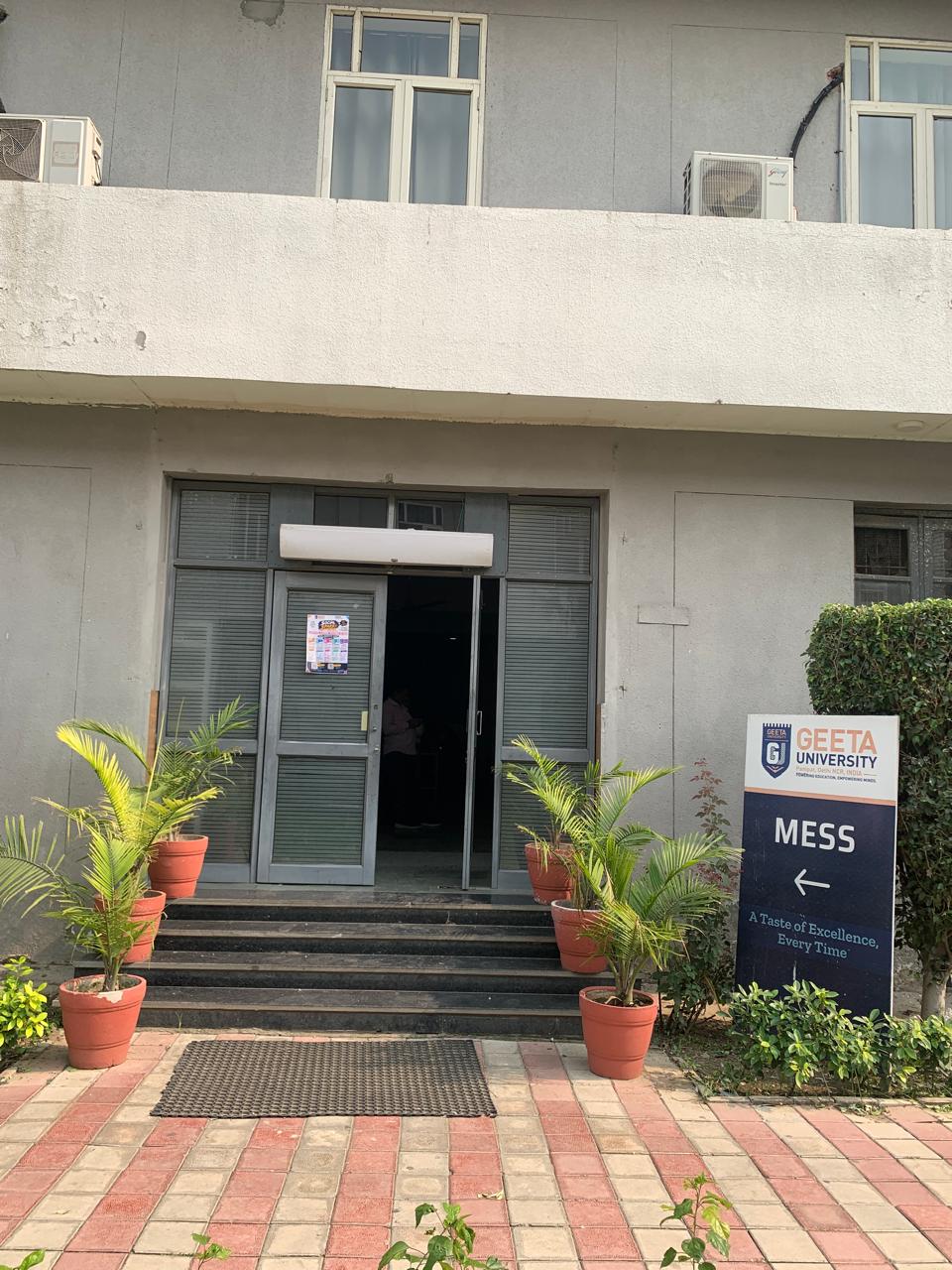
This photo gallery showcases Geeta University's campus food facilities, including cafés, mess areas and other dining spaces. These facilities provide students and members of the university community with spaces to access meals and refreshments during campus life. The photographs offer a visual overview of the university's food-service environment and its dining facilities.
Impact & Outcomes
Useful measures may include food-waste quantities, participation in nutrition education, access and affordability feedback, agricultural training outcomes and documented community engagement. Explain the measurement method and reporting period. Do not infer improved nutrition or reduced hunger from awareness events alone.
Key Outcomes
Useful measures may include food-waste quantities, participation in nutrition education, access and affordability feedback, agricultural training outcomes and documented community engagement. Explain the measurement method and reporting period. Do not infer improved nutrition or reduced hunger from awareness events alone.
Supporting Evidence
Supporting evidence may include official activity reports, approved policy documents, event notices, attendance records, research outputs, photographs, agreements and assessment summaries. Each item should be relevant to the claim it supports and should identify its date or reporting period. Personal or confidential information should not be published, and evidence should be reviewed before it is made publicly accessible.
Policy and Guidelines
University Policies
Relevant documents may include food safety and hygiene procedures, campus dining guidelines, procurement standards, waste segregation rules, nutrition-related guidance and approved agricultural or outreach policies. List only current documents with an identifiable issuing authority and approval status.
Sustainability Guidelines
Relevant documents may include food safety and hygiene procedures, campus dining guidelines, procurement standards, waste segregation rules, nutrition-related guidance and approved agricultural or outreach policies. List only current documents with an identifiable issuing authority and approval status.
Reports
The report catalogue provides the available official activity documentation for Zero Hunger. Use the report to review the activities recorded for the stated reporting period. The narrative sections on this page explain the broader SDG themes; they should not be read as confirmation that every example or possible practice is currently implemented at the university.
↑ Back to top